


When I left off telling the Midnight Poutine story, it was the end of 2007. I wanted to take some time before coming back to it, because so much of the site’s fate was intertwined with what happened with blogTO over the next decade. Now that you have that context, I hope what follows is easier to understand.
Midnight Poutine’s trajectory had diverged sharply from blogTO’s. In Toronto, traffic and revenue were climbing, and the product was evolving quickly. blogTO had a structured directory, mobile apps, content partnerships, event sponsorships and a growing number of community initiatives. In Montreal, none of that existed. Midnight Poutine was still a site built around concert reviews, the local music scene, some news and arts coverage, and recurring features like Metro Roulette, its own version of the Morning Brew, and the Montreal Weekend Playlist Podcast.
The digital best practices we’d adopted in Toronto were difficult to enforce in a city where the operation still ran like a volunteer effort. Contributors wrote for little to no pay, drawn by what had always motivated them: community, free access to shows and events, and the freedom to write about whatever interested them.
Many of the redesigns and features we rolled out to blogTO over several years never made it to Midnight Poutine, because the site didn’t have the content to support them. blogTO had content organized by neighbourhood and category, which allowed us to build tools and features on top of it. Midnight Poutine had write-ups of restaurants and bars, but none of that data was structured in a way that could power apps, Facebook applications, a Patio Guide or anything similar.
Midnight Poutine did occasionally have deeply personal posts. One contributor, Sisi Chen, once wrote an open letter about her roommate getting trampled at a Girl Talk concert at Metropolis, and the ensuing comment thread turned into a wide-ranging conversation about crowd safety, venue security and whether concertgoers had a responsibility to look out for each other. Greg Bouchard once posted, “Where were you when Michael Jackson died?” and the comments reflected a moment when everyone knew exactly where they were, what they were doing, and how they felt the moment they heard the news.
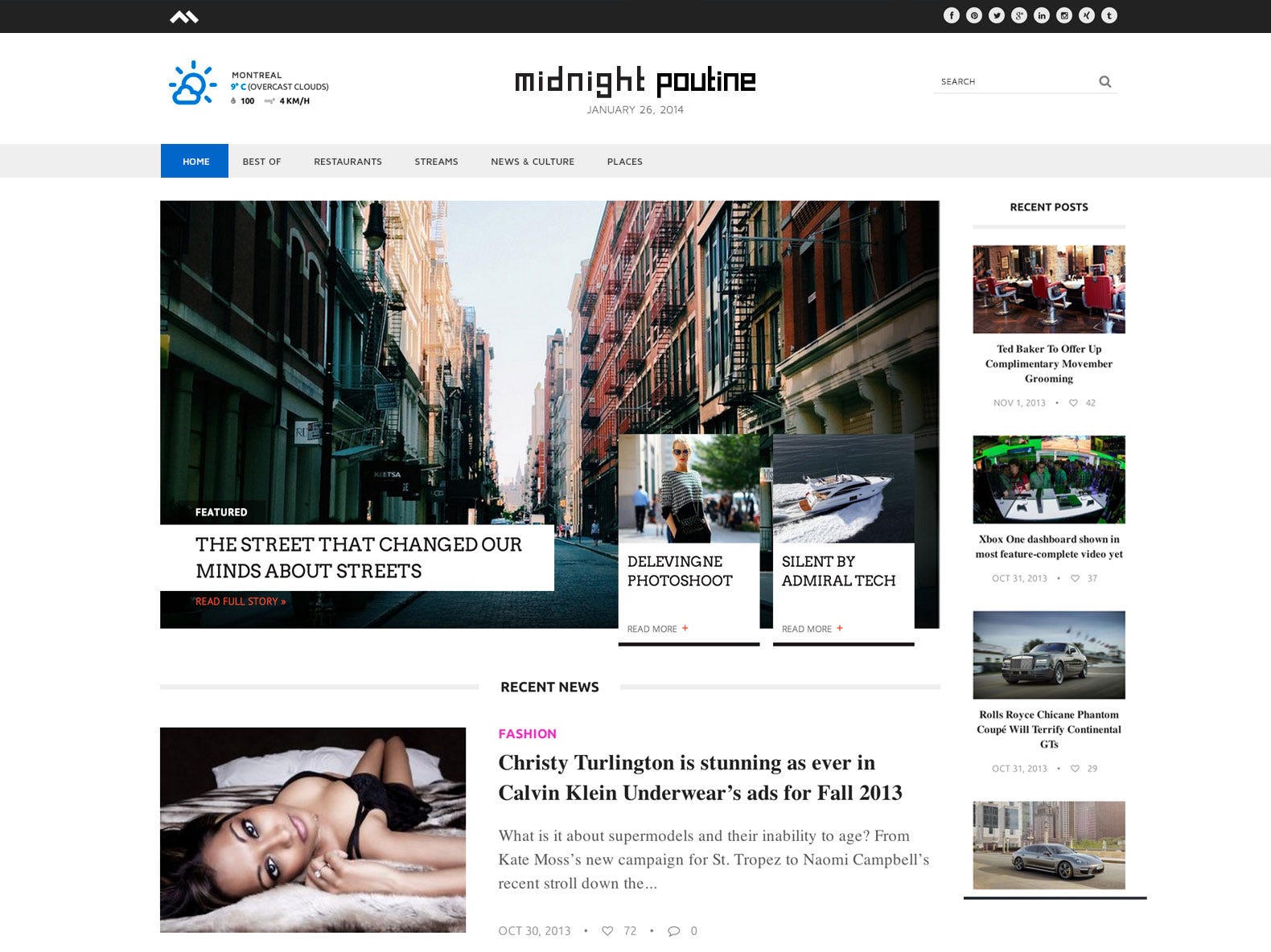
In June 2010, Midnight Poutine finally got the Web 2.0 era redesign that introduced an events section and a cleaner layout, among other updates. I posted a note to readers announcing the changes and promising more to come. It was a genuine attempt to keep pace with what we were doing in Toronto and Vancouver. But the redesigned site was still a scaled-down version of blogTO. We had sections for News and Culture, Events, Movie Listings and Podcasts, but we still couldn’t support a restaurant directory or a Best of Montreal section, both of which I believed were critical to unlocking real growth.
In 2011, I hired one of our contributors, Amie Watson, along with a photographer, Elise DeBoer, to start building out that content. The goal was a curated directory of the best and most interesting places in the city, from restaurants and bars to clothing stores and galleries. The Best of Montreal lists would sit atop that foundation.
While Amie and Elise worked behind the scenes, the site continued to thin out. Posts slowed to one or two a day, and some days nothing went up at all. Monthly page views declined to levels we hadn’t seen since the site’s first year.
Before I go on, I want to take a moment to recognize many of those who contributed to Midnight Poutine during these years. Some of the team members I haven’t mentioned yet include Harold Beaulieu, Sarah Brideau, Olivier Plessis, Valerie Bourdages, Jeff DaSilva, Jenny Chukhovich, Will Shead, Christine Lariviere, Ralph Elawani, Gabby Lefort, Luc Doucet, Theo Mathien and Stacy Lee. At least two of them, Emmanuel Delacour and Phil Lambert, wrote their posts entirely in French. The editors who kept things running after John, Hannah and Sara moved on included Jeremy, Greg, Amie, Margot Nossal, and Bryan Brazeau.
In October 2013, I approached Lorraine Carpenter, who ran Cult MTL and was a former music editor at the Montreal Mirror, to explore the possibility of working together. I thought she’d be the right person to partner with on a revived version of the site. Cult MTL was primarily a print product at that point with limited digital presence, and combining the two operations seemed like a good fit.
I proposed acquiring Cult MTL while allowing her team to continue running the print side independently, retaining all the revenue it generated. I’d take on the costs and responsibility of the digital operation. Lorraine was intrigued, but told me she was already in talks with another potential buyer and needed time. Many months later, she told me those talks had fallen apart. By then, I’d shifted my focus to relaunching on our own, and the conversation drifted. We reconnected years later, but never found a way to work together.
As Midnight Poutine neared the end of 2013, I decided to put the site on hiatus, just as I had done with Beyond Robson years earlier.
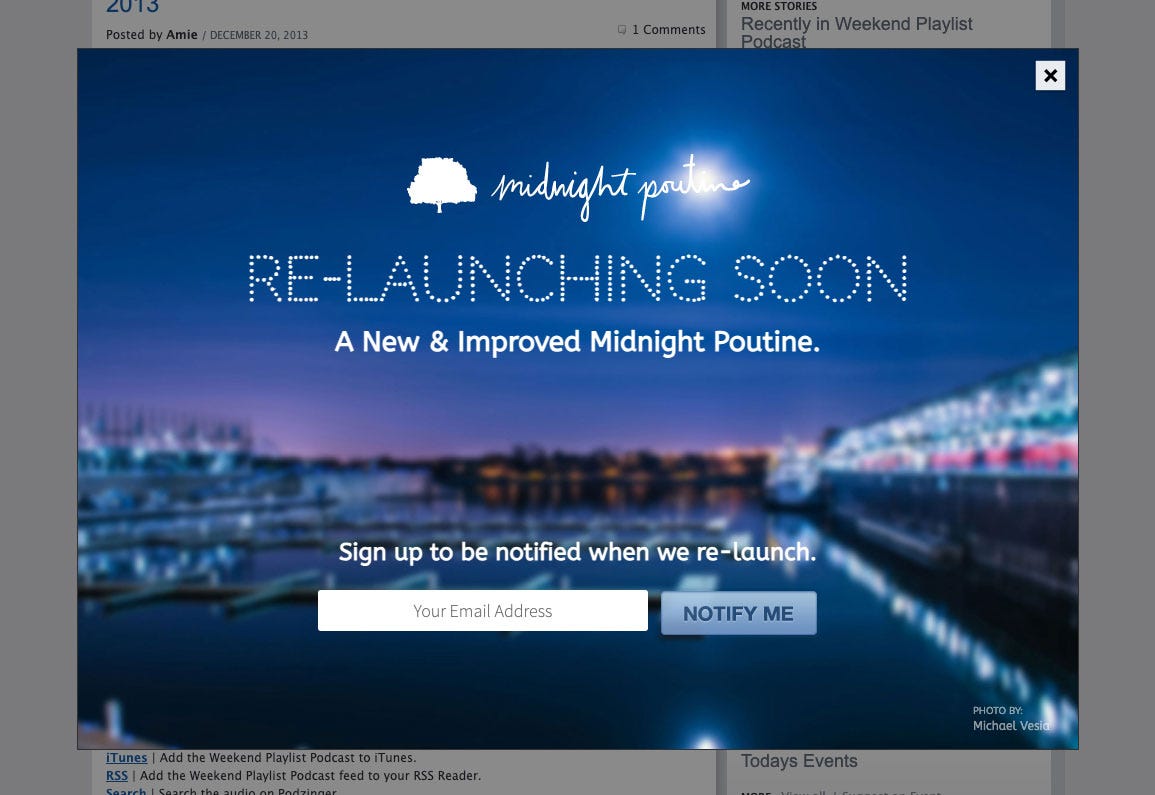
The final Montreal Weekend Playlist podcast, episode 318, went up on December 20. It was a Christmas show and a farewell. The team told listeners they’d be continuing the podcast under a new name on a new site.
Bryan, who’d been serving as one of the site’s last editors, sent the team a farewell note. He thanked everyone and praised what they’d built together. I sent my own note shortly after. The site was going on hiatus. The homepage would be replaced with a “relaunching soon” page. The existing team would be disbanded. When the site relaunched, it would have a small, paid team of writers and photographers. I thanked the team for their contributions, wished everyone a happy new year, and asked anyone who wanted to be part of the new Midnight Poutine to get in touch.
Running since the earliest years of Midnight Poutine, the Montreal Weekend Playlist podcast might just be the one thing people remember most. Jeremy hosted it for years, often alone, before building a team around it that included Greg, Amie and Gabby, among others. In a book he wrote about podcasting in 2024, Jeremy described the show as “not particularly popular or groundbreaking, but, like poutine, something those who liked it liked a lot.” He told me the show was always partly for himself, a way to stay connected to the Montreal music scene, especially after his first child made it harder to go out at night. He never really asked who the audience was, because that was never the point.
In 2010, Jeremy and Greg briefly stepped back from the podcast to focus on other things, and Luc, Gabby, Amie and Margot stepped in to keep it running. The show reached its 300th episode in 2013. The milestone was covered by the Montreal Gazette and celebrated with a barbecue in Jeanne-Mance Park.
After the site went on hiatus, the podcast lived on under the name Radio Cannon. The format was essentially unchanged, right down to Jeremy’s old “Hello internet, salut cyberspace” opening. That spring, Radio Cannon won best podcast in Cult MTL’s readers’ poll, the same award the Midnight Poutine version of the podcast had taken the year before. The show took the title two years running, across the rebrand. Of everything we built, the podcast was perhaps the least commercial piece. It was also the part that outlived everything else. Radio Cannon stopped publishing in the summer of 2015.
What still bothers me is that the Midnight Poutine relaunch didn’t fail for lack of effort or resources.
After I announced the pause, I hired one of the existing contributors, Caitlin Stall-Paquette, to continue creating content. The plan was to relaunch Midnight Poutine with the restaurant and business directory and Best of Montreal sections fully built and ready on day one. We spent considerable money commissioning local business profiles and Best of Montreal posts. We hired freelance photographers, including Matthew Brooks, Desdemona Burgin, Margaret Thompson and Julien Hayard, to shoot it all. Caitlin produced content for more than a year. Combined with the work Amie and Elise had done previously, we ended up with more than 4,000 directory listings, each with original photos and a written profile, along with over 100 Best of Montreal lists, ranging from The Best Poutine to The Best Hair Salons.
The written content was the more straightforward part of the effort. The photographers had a particularly difficult time. In Toronto, the blogTO name opened doors. In Montreal, with no active website, photographers regularly encountered business owners who had never heard of Midnight Poutine. One photographer, when we discussed the challenges he was facing, offered some candid advice. “My honest recommendation would be for you to hire a female photographer, as they aren’t hassled as much as male photographers. And I would also recommend that they be a native French speaker, as Quebec can be discriminatory towards anglophones in certain neighbourhoods.”
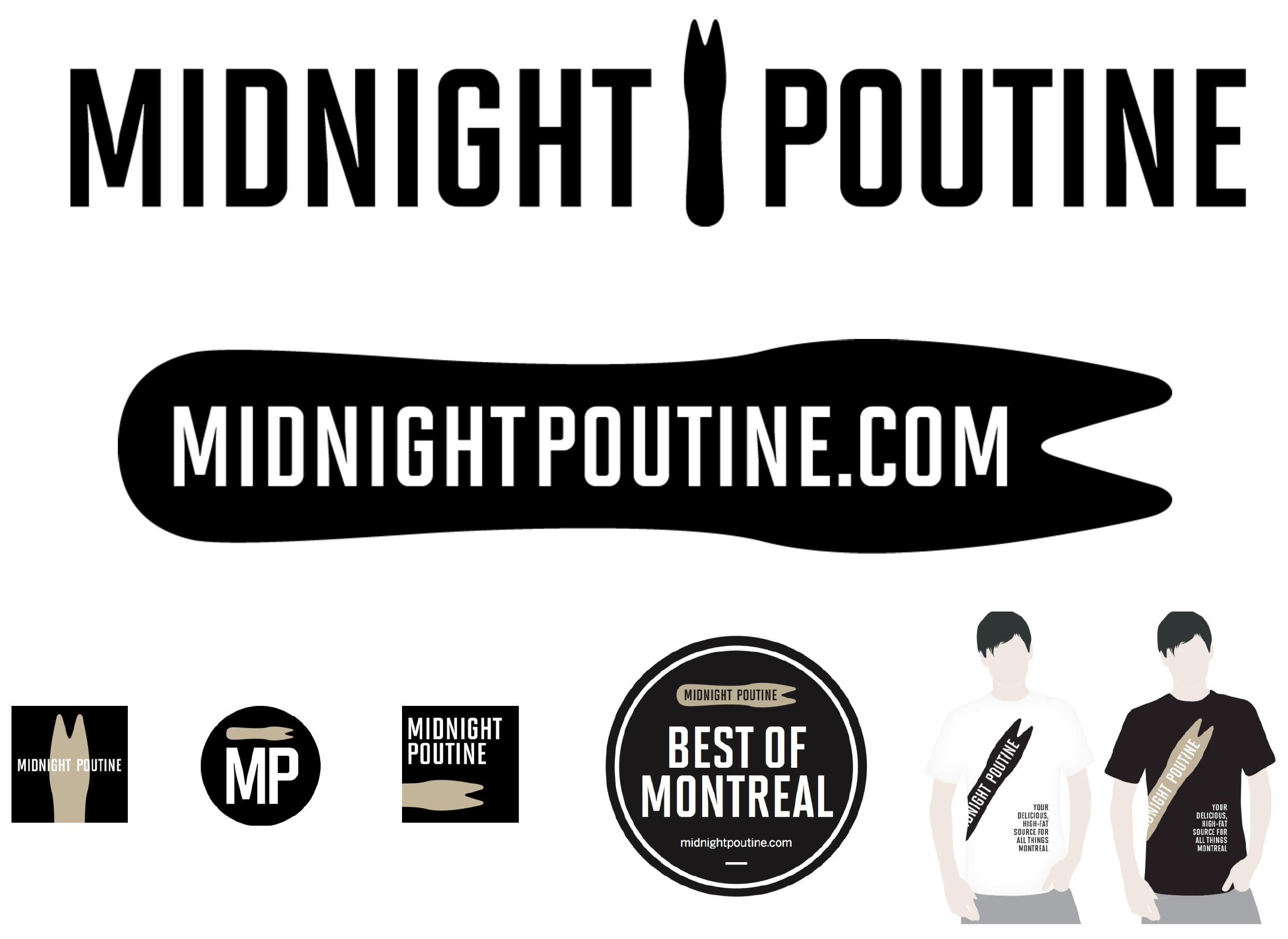
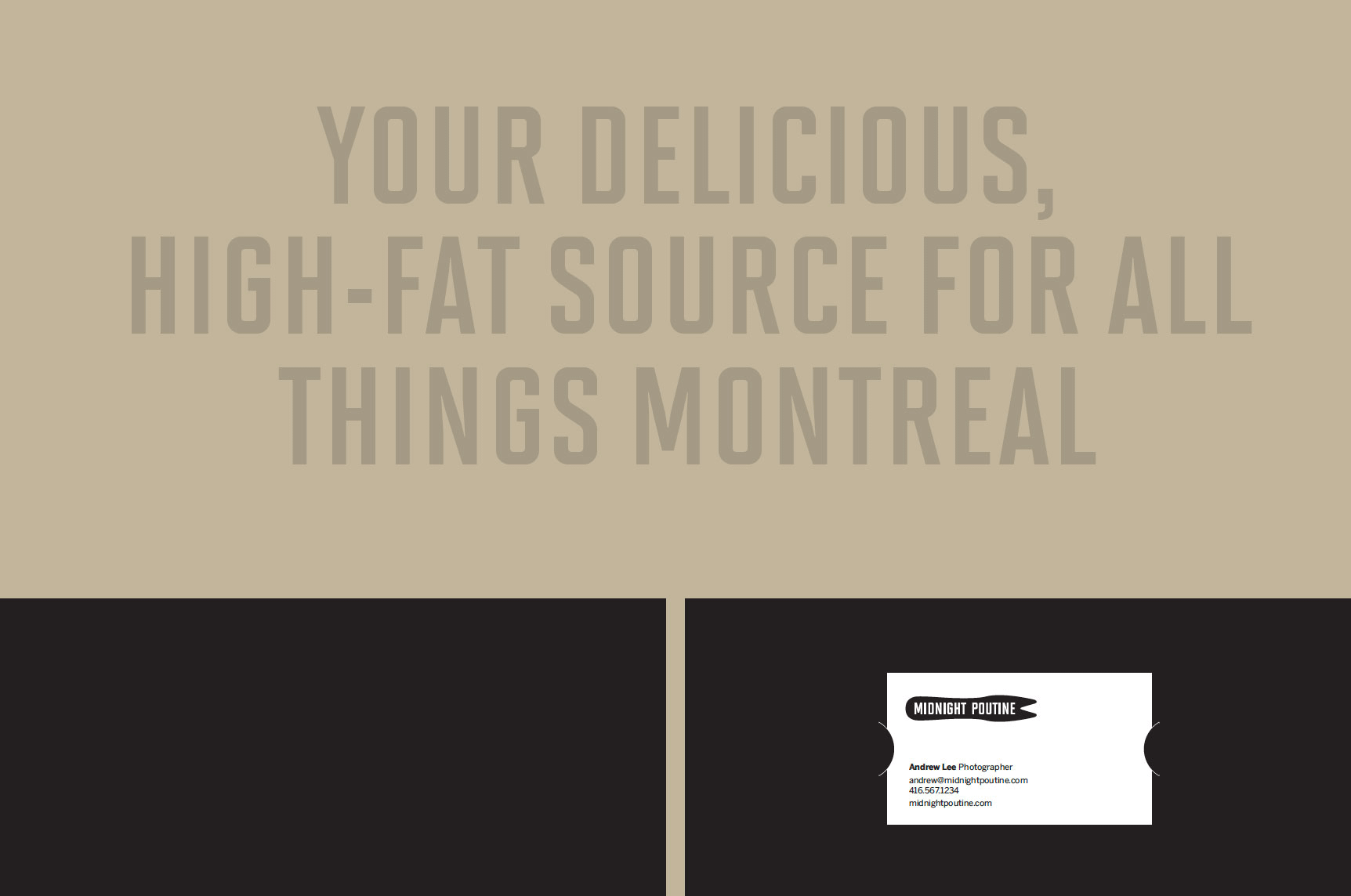
I also hired Toronto-based designer Richard Marazzi to create a new brand identity for Midnight Poutine, and I loved what he produced. The refreshed logo featured a poutine-appropriate sfork, accompanied by a new colour palette, social media assets, business cards, letterhead, a media kit, t-shirt designs, and Best of Montreal window decals, which we planned to distribute to local businesses once the Best of lists were published. We rolled the new identity out across our social media accounts, which were reactivated in anticipation of the relaunch.
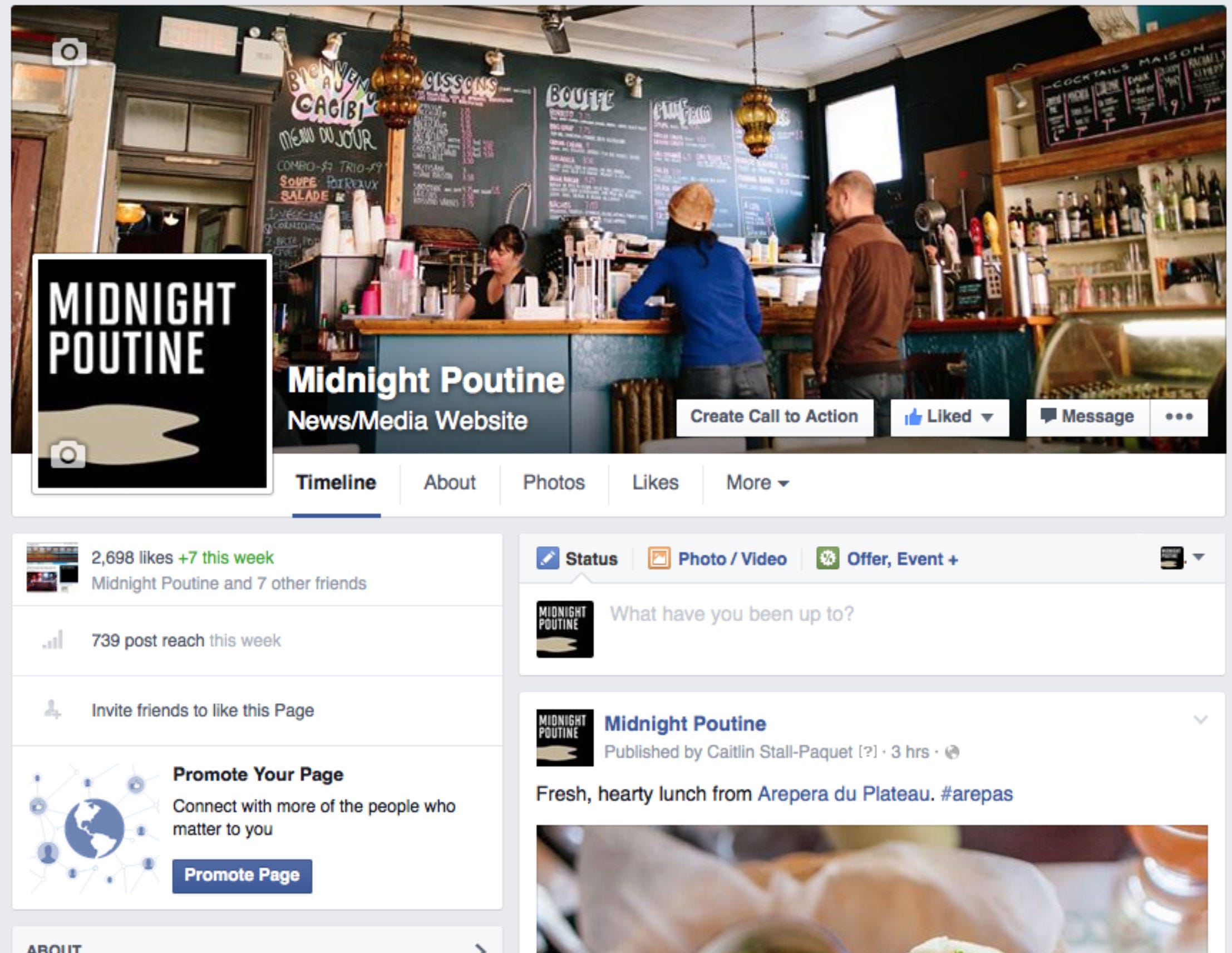
Even while the site sat dormant, we received emails from people in Montreal asking when Midnight Poutine was coming back. People were paying attention, which made the delays all the more frustrating.
The relaunch of the site itself was held up by the same infrastructure problems I’ve documented elsewhere on this Substack. Dondy created a new design that I liked a lot, but by 2015, I chose to scrap it in favour of the Studio Function responsive design, which would eventually power blogTO’s new site. When it became clear that we wouldn’t be able to relaunch Midnight Poutine until the new blogTO website and infrastructure were ready, I asked Caitlin and the photographers to stop their work.
We had a new brand identity, a robust, curated directory, more Best of Montreal lists than anywhere else, and a library of original photography. We had everything except a website to put it on.
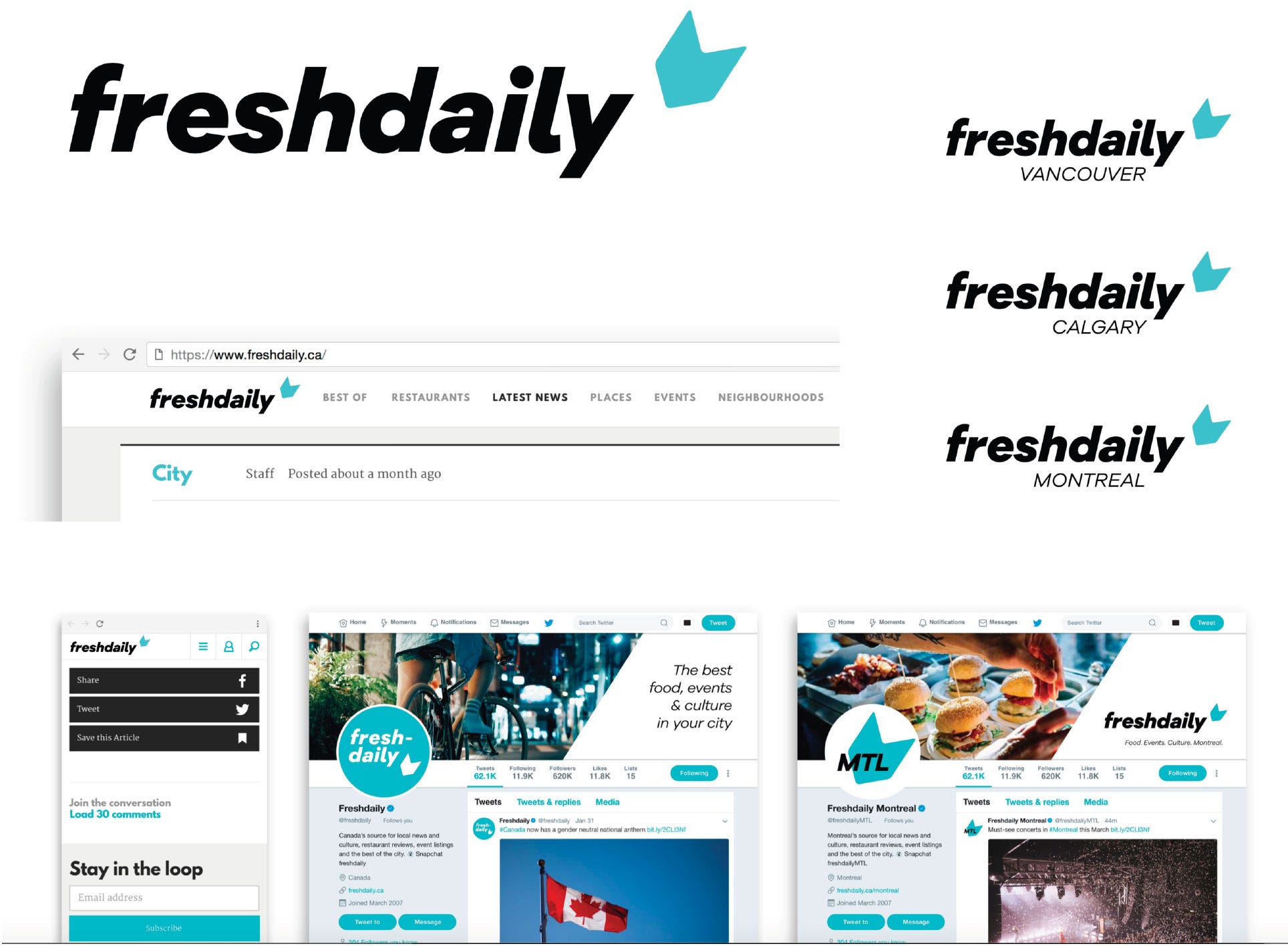
The blogTO redesign finally went live at the end of 2016. We immediately began development to extend the new infrastructure to Montreal and other cities, spending more than $50,000 on a multi-city build. But by 2018, I’d come to a realization I probably should have arrived at sooner. The Midnight Poutine brand, dormant for years by that point, was probably not the right way back in. I decided that any future site in Montreal or other Canadian cities would go under a different name, Freshdaily. What happened with that brand is a story for an upcoming post.
The pause I’d promised would last a few months had stretched into years, and then the name was quietly retired.
Meanwhile, the space Midnight Poutine had tried to occupy didn’t stay empty. MTL Blog, which had launched in 2013, grew rapidly in the years after Midnight Poutine went dark. It took a very different editorial approach, building its audience on sensational headlines and content that drew both massive traffic and considerable criticism. The readers who had been writing to us, wanting Midnight Poutine back, were now stuck with a site they didn’t want. They didn’t like what MTL Blog was doing and preferred what Midnight Poutine had been, or at least what it could have been.
MTL Blog eventually spawned Narcity, which expanded to cities across Canada and grew into a formidable competitor to blogTO. It’s hard not to wonder how things might have played out differently if Midnight Poutine had been the one to fill that space.
There’s no trace of the Midnight Poutine website today. The domain transferred to ZoomerMedia along with the rest of the corporate assets when blogTO was acquired. The only remnants are a long-abandoned X account, a dormant Facebook page and a Flickr group. The writing, every post, every comment thread, every Metro Roulette, is gone. So are the 318 episodes of the podcast. The same is true of Beyond Robson. That the archives for both sites no longer exist is a genuine loss, and one of my biggest regrets.
I recently heard from Luc, one of the contributors who had filled in on the podcast over the years. He and I had never really connected during the Midnight Poutine days, but he wrote to tell me that the site had given him his start. Writing for Midnight Poutine, he said, opened doors and kick-started the career he has now. He also told me he thought the story deserved a documentary. “It’s a great homegrown internet story that impacted a lot of people,” he wrote.
I don’t know about the documentary. But I do know that Midnight Poutine ran for the better part of a decade. It was named Montreal’s best blog multiple times. It produced a podcast that won awards even after the site went dark. And for a stretch of years, it was the only English-language publication in Montreal trying to do what it did. That still counts for something.
In my next post, I’ll return to blogTO and Toronto, where I was invited to a meeting that would ultimately have profound impacts on the future of the digital media industry in Canada.
An awesome story and wisdom in looking back. Scaling is hard. Scaling a business remotely is even harder.