


In December 2024, I stood in front of the Daily Hive team at their Vancouver office. It was my first time there since shortly after ZoomerMedia acquired Daily Hive, more than two years earlier. Moses and Omri were there too.
A lot had changed since that first visit. Daily Hive’s co-founders were gone. So was Mark Montanini, the founder of Curiocity, a rival to both blogTO and Daily Hive that ZoomerMedia had acquired earlier that year. Our teams in Toronto now shared an office. We’d battled through more than a year of uncertainty around the Online News Act.
Though I hadn’t been involved in any of the acquisitions, I was now the one figuring out how all these brands fit together. The room seemed on edge, unsure what was coming, but eager to hear it. The overriding message? 2025 would be the year ZoomerMedia unlocked the power and potential of having Canada’s leading digital media brands in one place.
That same month, blogTO turned 20.
We didn’t do anything special to mark it. I regret not taking more time with the team to celebrate blogTO’s success. Sure, we had our team socials. We went for team lunches, wore our blogTO swag, and cheered on our colleagues in our “shoutouts” Slack channel and at the start of team meetings. But we never celebrated our anniversaries, and we let our 20th go by like any other day.
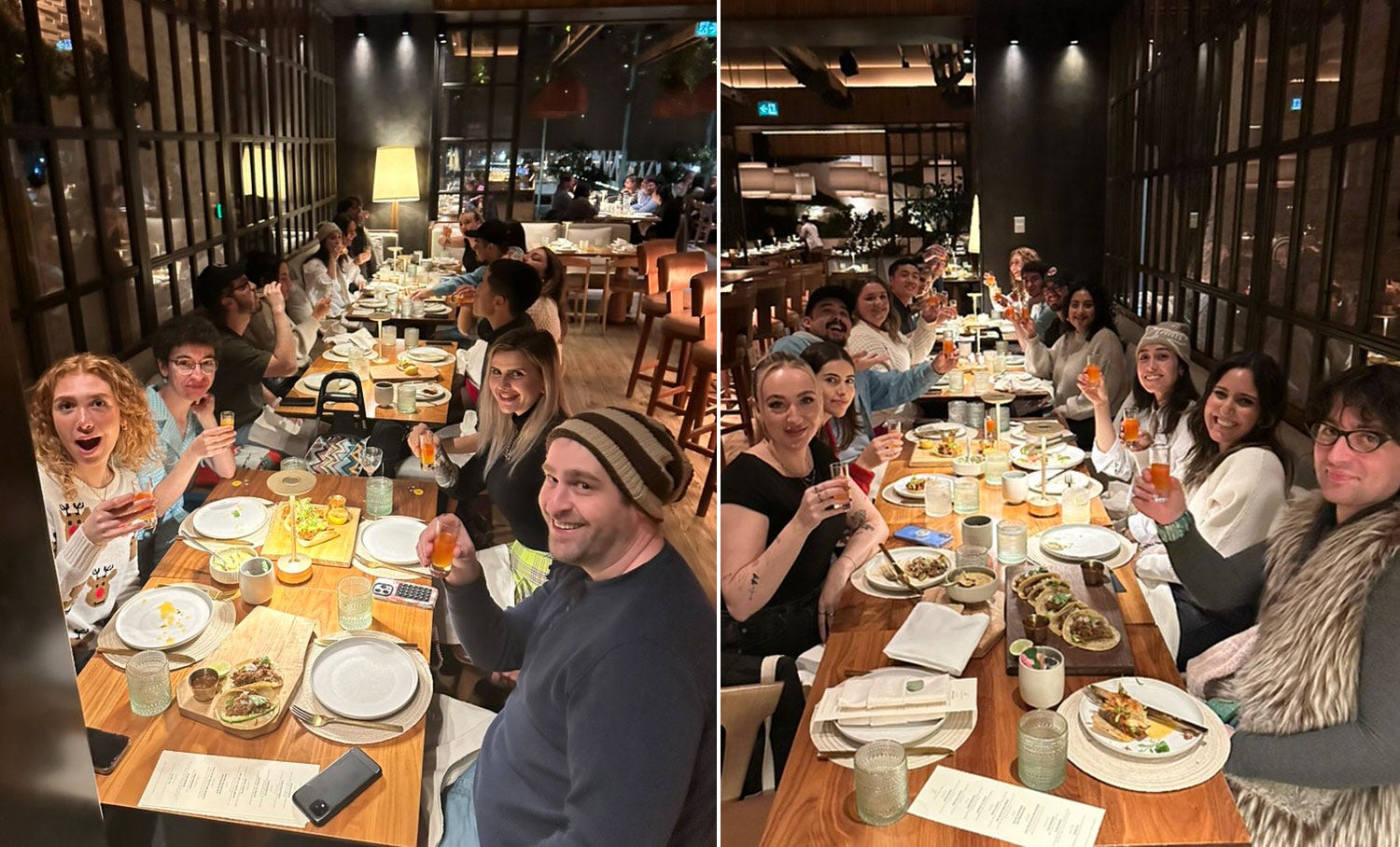
The closest we came was a series of holiday parties. One included the other digital brands, but on December 5, it was just blogTO. I invited the team for dinner and drinks at Casa Madera, the restaurant inside the 1 Hotel near Bathurst and Wellington. It was a good turnout, including full-time staff, interns, and freelancers. It had been a challenging, productive, and eventful year, and it was nice to celebrate it together.
blogTO itself had changed a lot since the acquisition. We had said goodbye to some friends and colleagues who had played key roles over the years. But we had also welcomed new team members, with new ideas and the passion to keep doing what blogTO did best.
Madison Schuliakewich, Luiz Strina, Sheeza Aamir, and Kimia Afshar Mehrabi all started with blogTO as interns. When their internships ended, we didn’t want to lose any of them, so we eventually hired them full-time. Madison soon became a familiar face on camera, Luiz and Sheeza excelled behind the scenes, and Kimia became a dependable reporter on the web team.
As we had done with Joshua years earlier, we tapped the Freshdaily talent pool for a recruit: Emily O’Hara initially joined us in a social media role before transitioning to more on-camera work.
Phoebe Knight was mostly new to journalism when she joined in an entry-level role creating web content, but she was a quick study and soon moved up the ranks. Today, she’s an Associate Editor at blogTO.
Sean Tepper was hired to oversee our video and social media operations. He brought more structure to how we worked and helped ZoomerMedia’s other digital brands build up their video the way blogTO had. We didn’t mind that he was a big Kansas City Chiefs fan, though we had to put up with his cheerleading during that team’s run.
The reshaped team let us expand what we were doing with video, even though the blogTO brand remained blocked on Instagram and Facebook. How we approached our website content also kept evolving.
At the height of Facebook’s influence years earlier, when its algorithm sent enormous amounts of traffic to the website, it was hard to resist the kinds of stories that reliably drew hundreds of thousands of page views: so-called “rage bait,” controversial topics, anything that provoked a strong emotional reaction. Chasing them pulled resources away from some of the content that once defined blogTO, like our in-depth coverage of local arts and culture.
As much as I hated being blocked on Facebook, there was one upside. We no longer needed to feed that algorithm to grow our traffic. So we took the opportunity to reset and refocus on the topics that mattered most to us. We prioritized unique stories nobody else had, emphasized quality over volume, and eased the output targets we’d set for our teams in prior years to take some pressure off.
Not all of those articles racked up huge page views, but we were proud of them. We got to spotlight Morningside, a Toronto-made film about the Scarborough neighbourhood of the same name, and to tell the story of a man trying to build a new live music venue in a former theatre space in Little India.
We brought back our history posts, like the one about Varsity Stadium, when it hosted some of the biggest concerts in Toronto, including the night in 1969 when John Lennon made a surprise appearance. We wrote about the Air Canada 747s that once had a dance floor on flights from Toronto to Europe. We also covered the forgotten story of McPizza and paid tribute to Sam the Record Man for a new generation of blogTO readers who grew up with iPhones.
Like many digital publishers, we came to rely more on Google, and on Google Discover in particular. Across the industry, Discover was sending publishers more traffic while referrals from social media kept falling. We spent much of that year in Google Search Console pinpointing which types of stories Discover favoured. Not paying close attention to Google wasn’t an option. The search giant made several significant algorithm updates in 2024 that rewarded content that demonstrated more original work and penalized content it considered low-quality.
But we knew Google wasn’t our long-term saviour. In October, it began rolling out AI Overviews in Canada, summaries that answer a question at the top of the results before anyone clicks a link. Since the feature’s U.S. launch that spring, many in our industry had been talking about “Google Zero,” the point at which Google stops sending traffic to websites altogether.
In fact, there were many reasons to be pessimistic about the future of news websites, especially ones without a paywall and a growing list of subscribers. That year, tech journalist Casey Newton wrote that it was hard to escape the feeling that the web was “entering a kind of managed decline.” I didn’t disagree: our website had become something to manage, not grow.
That was one reason we started viewing our reporters’ work differently. Their articles fed our email newsletters: a daily one with the latest news, and weekly ones for real estate, events, and food. They fed the headline graphics on the Dished Toronto Instagram and our green screen videos. Page views alone no longer measured what a story was worth, and when a story extended to another platform, it only made sense to credit the reporter who wrote it.
As I described in my last post, after blogTO was blocked on Instagram because of the Online News Act, we moved most of our food and restaurant videos to the Dished brand, so we had to rethink what original video meant for blogTO. We started working on new formats right away.
Anton’s transit challenges, where he races a colleague to see who can get somewhere faster, might have resonated with our followers more than anything else. His race against Sheeza from King station to St. Andrew, with one of them walking and the other taking the subway, surpassed a million views on YouTube, a platform that had mostly been an afterthought for us before the Online News Act. It drew over a million more on TikTok.
Streeters became a regular format. One weekend, Taylor headed out late at night, in the middle of a snowstorm, to interview people waiting in line outside Rebel nightclub. Some had been waiting for an hour and a half. When he asked what it would take to get them out of line, one person said $500. Another suggested some hot poutine. One woman picked Taylor up off his feet, prompting him to say he feared for his life as the video ended.
We started a series that took viewers inside Toronto workplaces. In one, a lawyer gave Briana a tour of her firm’s downtown office, which featured a library with vintage maps, a fitness centre, and a well-stocked kitchen with great snacks. Commenters zeroed in on the sweater Briana was wearing, from Havergal, the private girls’ school in Toronto, prompting her to reply: “Guys, I literally went to a high school in downtown Hamilton. I thrifted this sweater.”
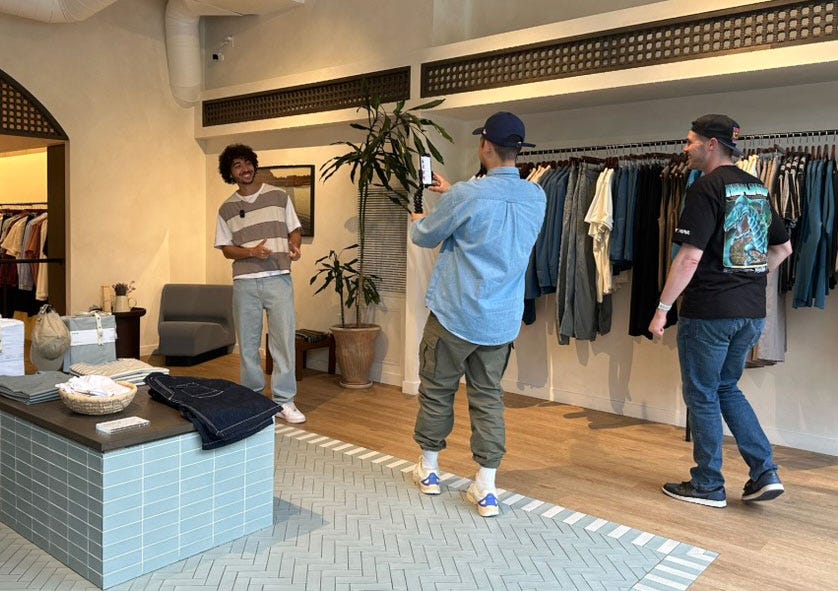
We also tried something completely different, and as far as I could tell, we were the first in Toronto to do it: shoppable live videos. Our team went live from local stores like Kotn and MUST, walking viewers through items on the shelves.
With Instagram blocked, the videos ran exclusively on our website, site-wide and within articles about the stores. Viewers could click product links in the videos, and a limited-time promo code gave them an incentive to buy and gave our team data on how many sales each video drove. Spotty Wi-Fi and data service in some stores made it harder than it looked, and the experiment was short-lived.
In the summer of 2024, Omri asked me to expand my role beyond blogTO. I was now responsible for Daily Hive, Dished, Offside, and Curiocity, and later MobileSyrup, a Canadian tech news site ZoomerMedia bought from Blue Ant Media that year for $950,000.
It was complicated work. Brands that had spent years as competitors now shared the same owner, and we had to sort out the overlap between them. Each brand had its own team, culture, and way of doing things. We were also being absorbed into ZoomerMedia, which also had its own distinct culture. Further, we had to deal with the fallout from the Online News Act and find ways to reach the audiences Meta had cut us off from.
One thing was obvious: the brands should stop competing, start working together, and make clear to both employees and everyone else what made each one different and special.
A big part of my work that year was separating ZoomerMedia’s lifestyle, food, and sports brands from the news ones. Dished and Offside both got a brand refresh, more resources, and new strategies, and we turned them into brands independent of Daily Hive. Since they didn’t fall under the Online News Act, they could stay on Instagram and Facebook, giving the company reassurance they were something worth investing in.
That was the plan I presented in Vancouver in December. It was also where I introduced the team to a new brand: CULTR.
CULTR launched in early 2025. It was ZoomerMedia’s new lifestyle brand on Instagram, built around a feature the platform had offered since 2021: the ability for accounts to collaborate on posts. That simple feature became key to how the brands fit together, and it helped us both monetize and extend the reach of content created by the Curiocity, Dished, and Offside teams.
That fall, blogTO got a car. Others arrived wrapped in Daily Hive and Curiocity logos. The cars were Moses’ idea, and one we’d discussed for blogTO before the acquisition. He was a fan of branded vehicles zipping around the city from his Citytv and CP24 days, and he wanted blogTO and the other digital brands to be more visible. When the red blogTO car, a Mini Cooper S, arrived in the ZoomerPlex parking lot, I immediately took photos and posted them in our Slack channel. The team was excited.
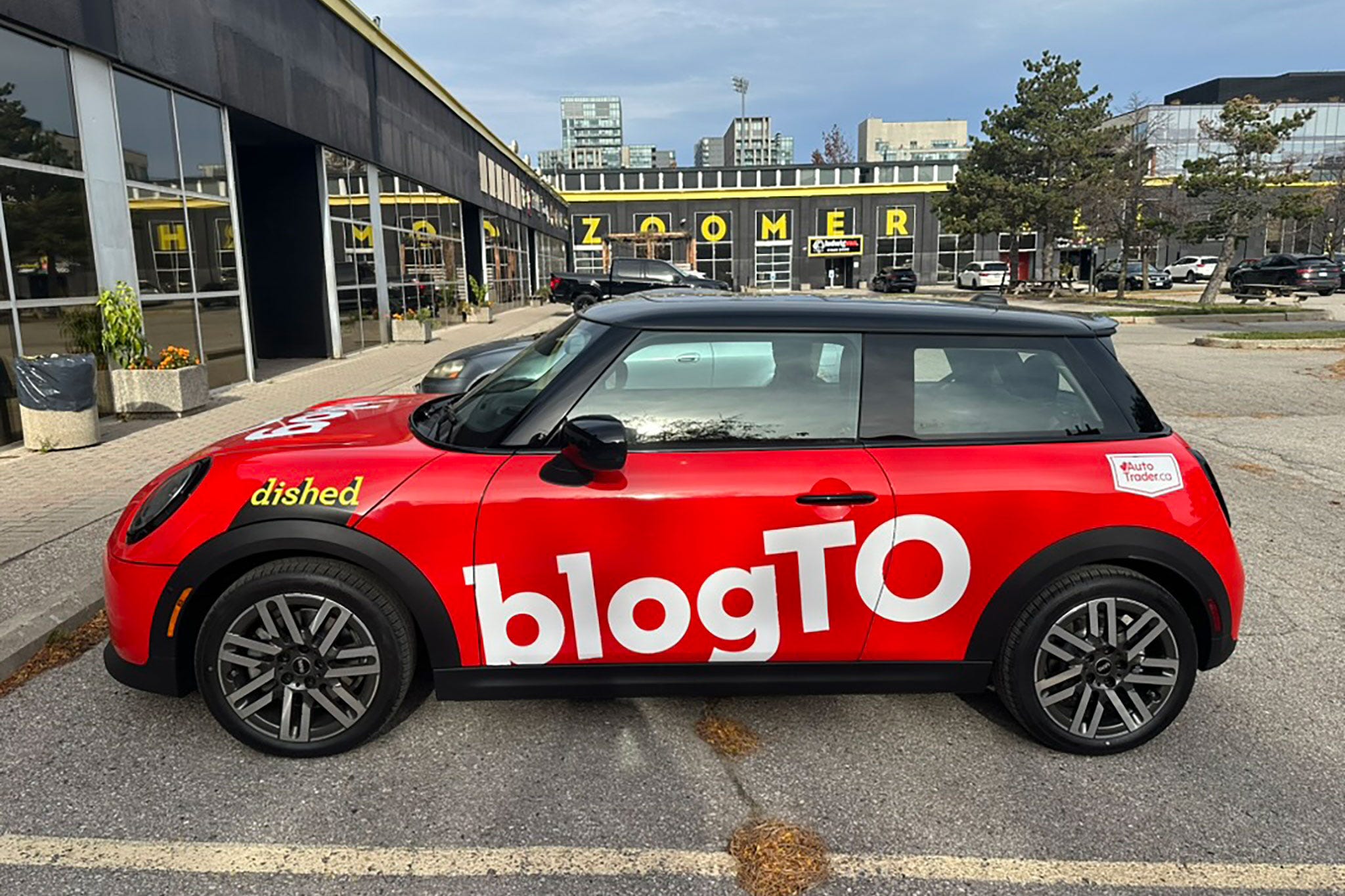
The car turned heads. People waved and smiled when we drove by. The team mostly used it to get to and from assignments, but once in a while we’d build a video around it. During the holiday season, Briana took it to Yorkdale to time how long it took to find a parking spot. On camera, she called it “the blog mobile.”
The car wasn’t the only sign of Moses’ imprint on blogTO. A line was added to the footer of the blogTO newsletters and website: “Part of Zoomer,” followed by Moses’ signature and the title “Executive Producer.”
By early 2025, the changes I had presented in Vancouver were in the works. I gave the same presentation to our staff in Toronto so everyone was aligned.
What our team didn’t know was that I would soon be leaving the company. It wasn’t my choice. By January, I knew I would be fired. But I decided to keep doing my job, and to do it well, until it ended.